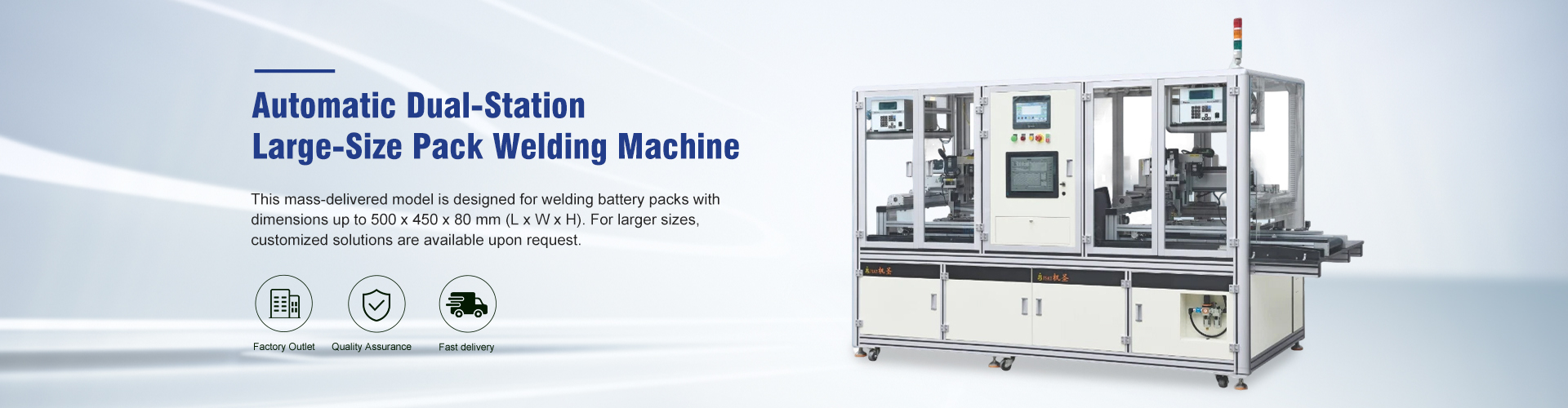
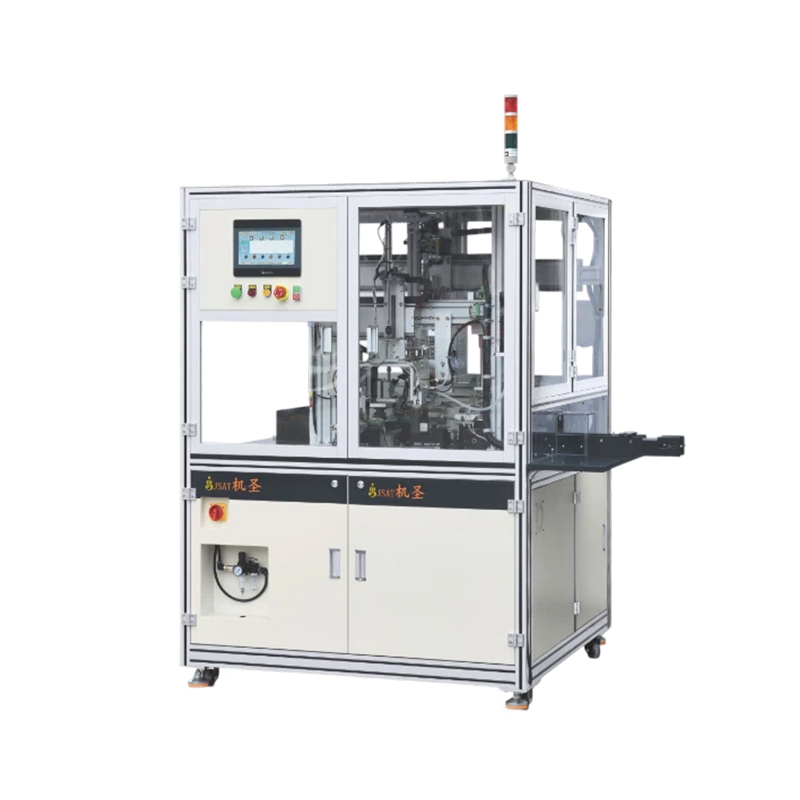
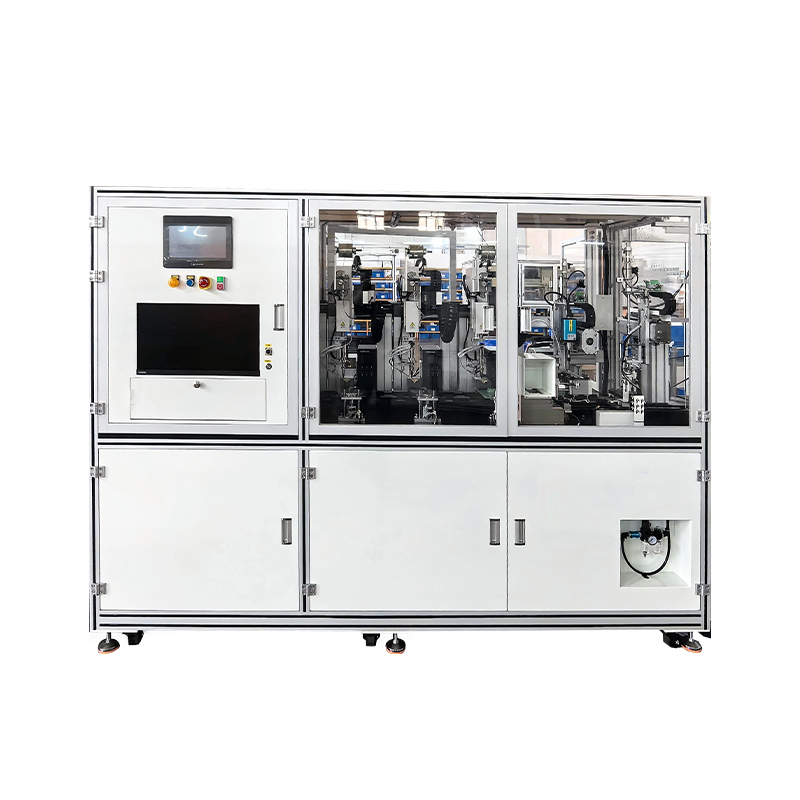
In the manufacturing process of power batteries and energy storage systems, the installation accuracy of an automated BMS PCB installation and glue dispensing machine directly affects the reliability of electrical connections and the overall safety of the battery pack. Traditional methods relying on manual or simple mechanical positioning are insufficient to meet the demands of high consistency and high-speed production. By introducing a vision guidance system, the automated BMS PCB installation and glue dispensing machine has significantly improved alignment accuracy and installation efficiency, becoming a key piece of equipment in modern battery assembly lines.
1. Visual Recognition as the Foundation for High-Precision Positioning
A vision system typically consists of an industrial camera, a light source, and an image processing unit. It identifies feature points on the battery pack and BMS board to obtain their spatial coordinate information. Compared to traditional mechanical positioning methods, visual recognition can acquire the actual position in real time even with processing errors or assembly deviations, thus providing an accurate data foundation for subsequent alignment.
2. Image Processing Algorithms Enable Precise Coordinate Calculation
After acquiring the image, the system analyzes key points using algorithms such as edge detection and feature matching, and calculates the offset and angular error between the BMS board and the target installation position. This process is typically completed in milliseconds, enabling the equipment to quickly determine the current state and generate correction instructions, supporting high-cycle production.
3. Motion Control System Performs Dynamic Compensation
The deviation information output by the vision system is transmitted to the motion control unit, where the X/Y/Z axis actuators perform position correction. Through a high-precision servo system or lead screw drive mechanism, the equipment can achieve micron-level adjustments, ensuring the BMS board is precisely aligned with the installation position. This closed-loop control method of "detection + compensation" significantly improves installation accuracy and repeatability.
4. Automatic Offset Compensation Improves Consistency
In actual production, due to battery pack size tolerances or material variations, fixed positioning often struggles to guarantee consistency. The vision guidance system can independently identify and adjust each workpiece, achieving piece-by-piece compensation. This dynamic correction mechanism allows the equipment to maintain stable, high-precision installation even in mass production, thereby improving product yield.
5. Optimized Process Results Through Vision and Adhesive Coordination
During BMS installation, adhesive application also requires precise control. The vision system not only positions the device but also assists in confirming the adhesive application area and path, ensuring accurate coverage of the target area and preventing misalignment or waste. This collaborative control helps improve thermal conductivity and structural reliability.
6. Enhanced Automation and Production Efficiency
Through vision-guided technology, equipment can reduce manual intervention, achieving fully automated identification, correction, and installation throughout the entire process. This not only reduces reliance on operator skills but also significantly improves production efficiency, making the entire production line more stable and efficient.
7. Enhanced System Adaptability and Flexible Manufacturing Capabilities
The vision system possesses excellent adaptability. When product models or sizes change, only adjustments to recognition parameters or programs are needed for rapid switching, without the need to replace complex fixtures. This flexibility allows the equipment to adapt to the needs of multi-variety, small-batch production.
In summary, the automated BMS PCB installation and glue dispensing machine, through vision-guided technology, combines image recognition, data analysis, and precision motion control to achieve high-precision alignment and stable installation. This technology not only improves assembly quality and consistency but also provides strong support for the automation and intelligent development of the battery manufacturing industry.